Interesting facts about Bulgaria
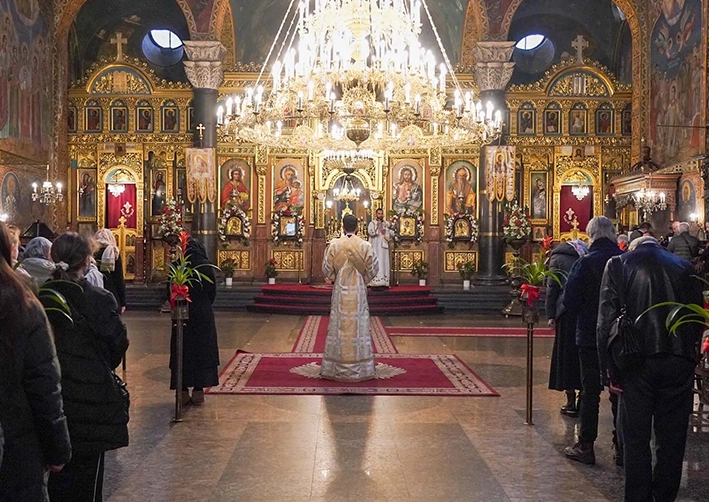
Bulgarian Orthodox Traditions
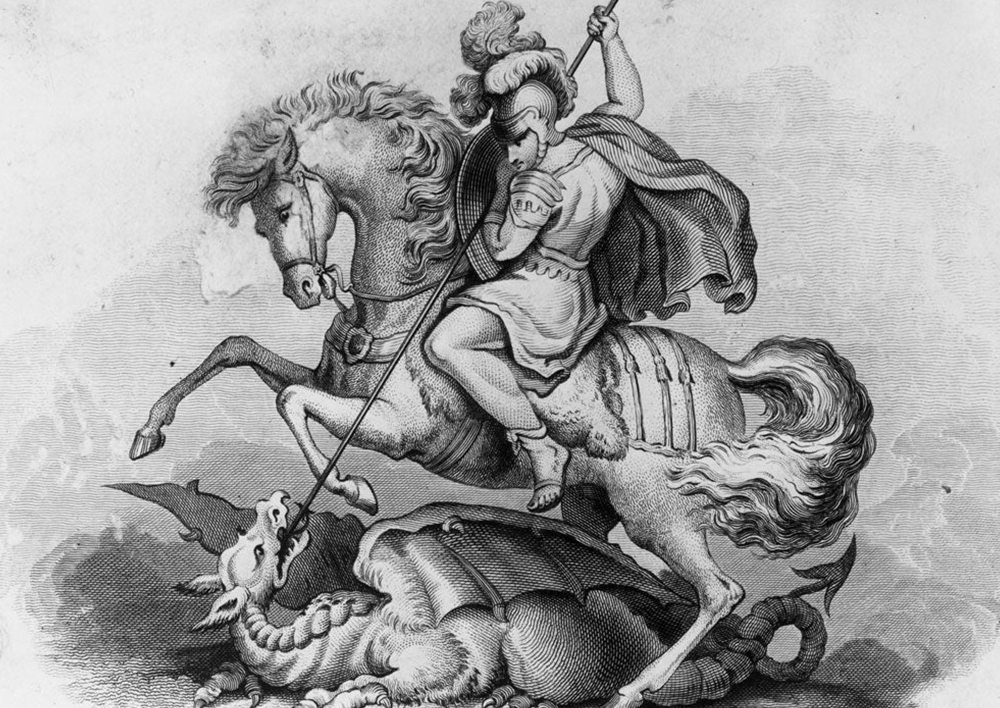
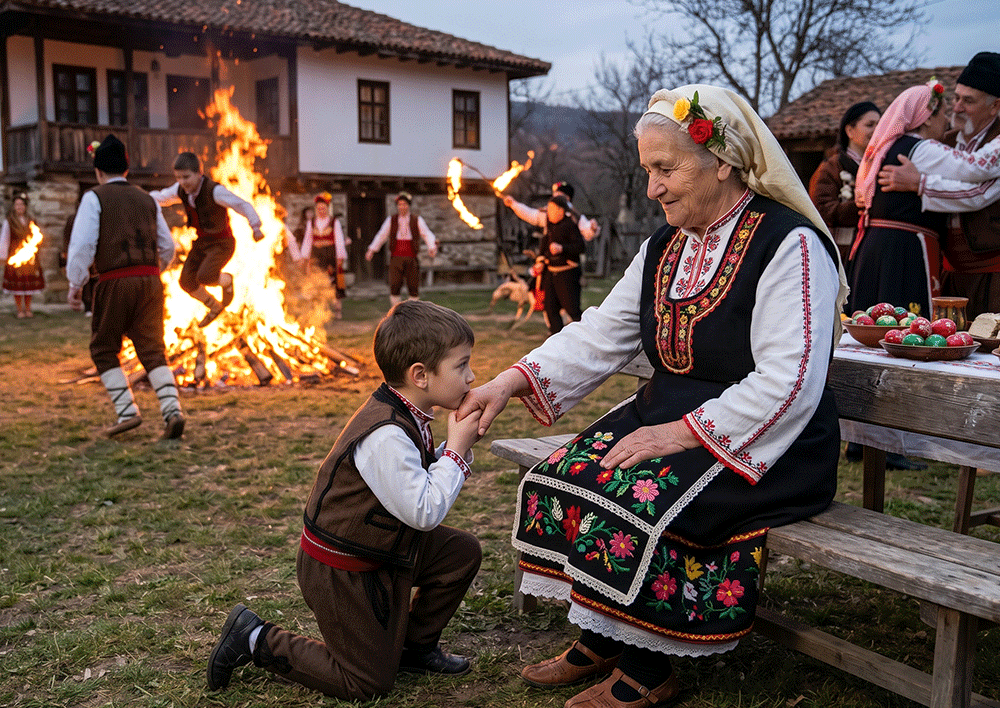
Religion plays a significant role in Bulgarian culture. Bulgaria is predominantly Eastern Orthodox Christian, and many traditions revolve around the Orthodox calendar. Major religious holidays include Christmas (Koleda), Easter (Velikden), and St. George’s Day (Gergiovden).During Easter, each family gathers to dye hard-boiled eggs in bright colors and print various shapes. After that they engage in a ritual egg-cracking contest, symbolizing the resurrection. The person with the last unbroken egg is said to have good luck for the year.
Bulgarian Cuisine: A Taste of Tradition
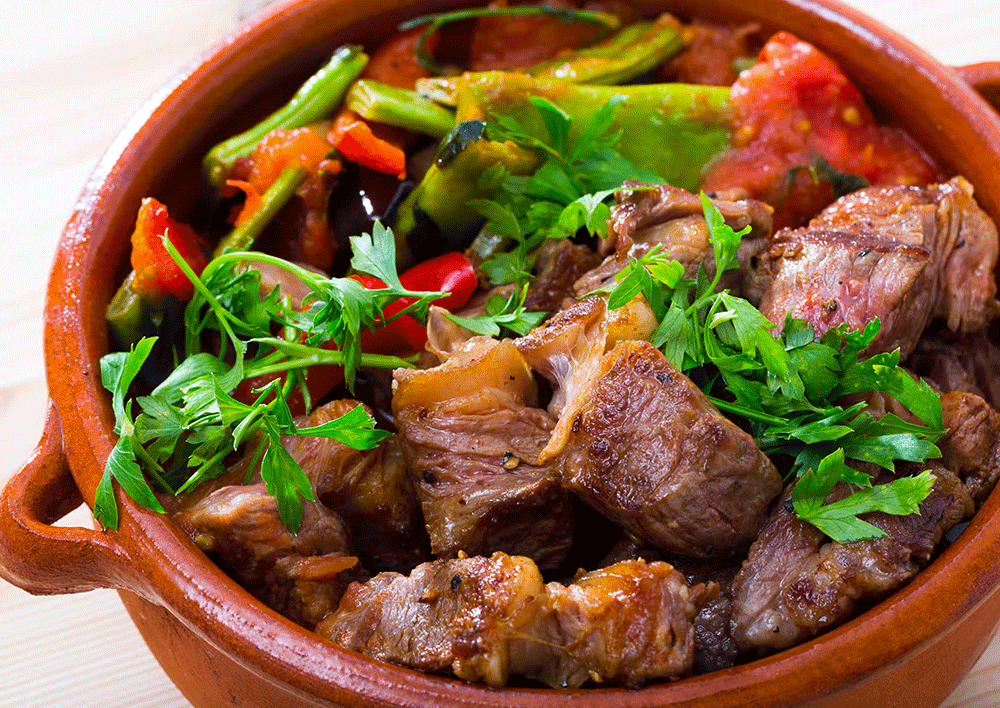
Much like our neighbors, Bulgarians take great pride in their food. Bulgarian cuisine blends Slavic, Ottoman, and Mediterranean influences, making it rich and diverse. Shopska Salad: A symbol of Bulgarian cuisine, made with tomatoes, cucumbers, onions, and topped with the famous Bulgarian white cheese. Banitsa: A flaky pastry filled with a mixture of eggs, Bulgarian white cheese and yogurt often eaten for breakfast or during festivals. Kiselo Mlyako (Yogurt): Bulgaria is the home of yogurt! Its unique strain of bacteria, Lactobacillus bulgaricus, is used to make the yogurt, which is famous worldwide. Rakia: Rakia is the national spirit of Bulgaria, often consumed during meals and special occasions. Most types of rakia are made out of grapes, apricots and plums. Don’t be surprised if you're offered homemade rakia!
Oldest Gold Treasure
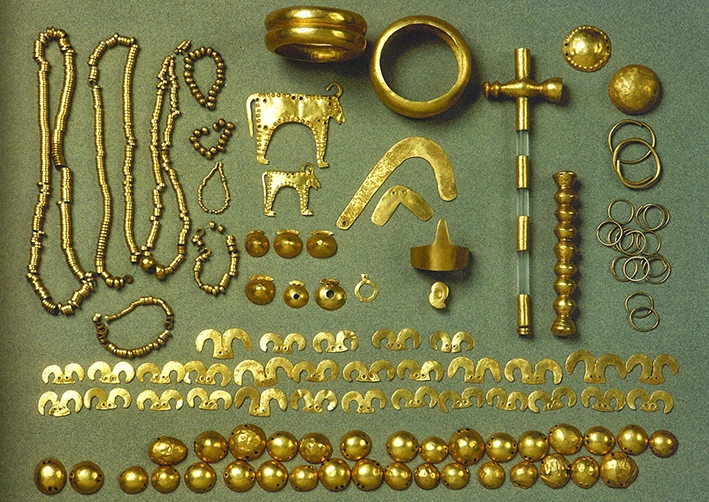
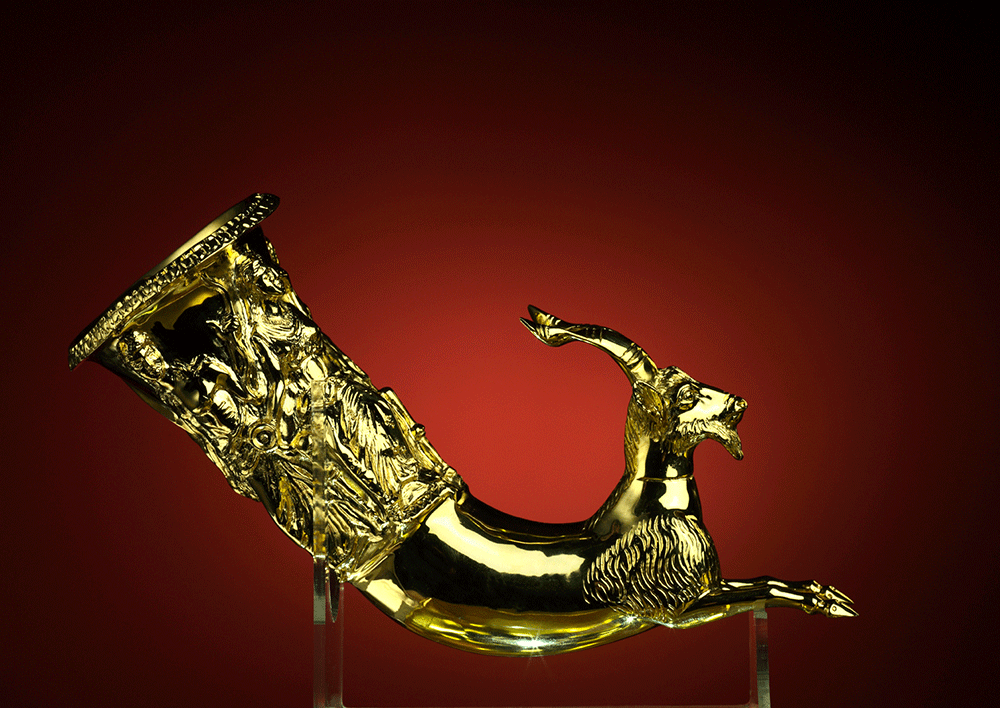
Bulgaria is home to the world’s oldest gold treasure, discovered near the city of Varna. The artifacts, dating back over 6,000 years, belong to the Varna Necropolis and rep Oldest Gold Treasure and represent the advanced craftsmanship of the ancient Thracians.
Inventors of the Cyrillic Alphabet
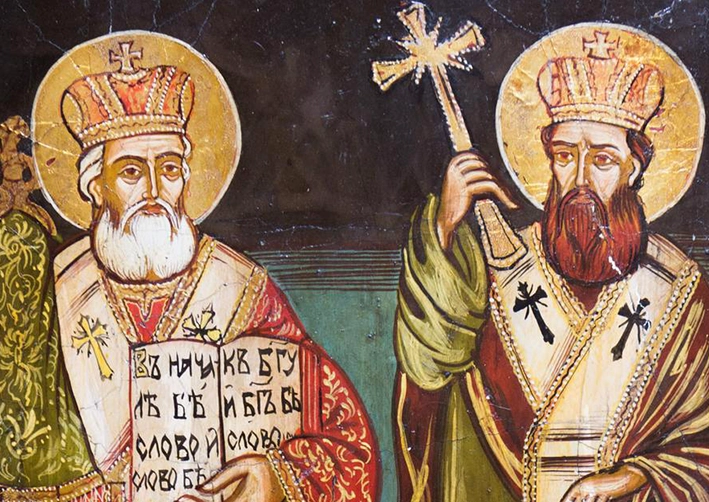
The Cyrillic alphabet, used by many Slavic countries, was invented in the 9th century in Bulgaria by Saints Cyril and Methodius. It is now the third official script of the European Union.
Rose Oil Capital of the World
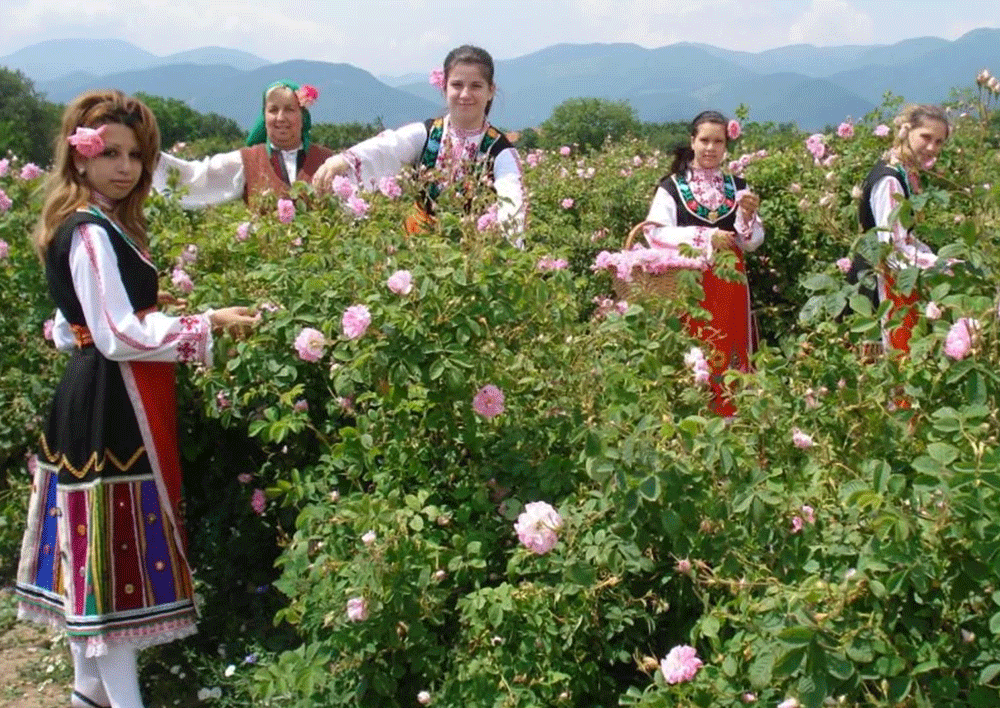
Bulgaria is one of the world’s largest producers of rose oil, an essential ingredient in many perfumes. It exports three quarters of the world's total supply. The Rose Valley near Kazanlak is famous for its fragrant roses, and the annual Rose Festival celebrates the rose harvest.
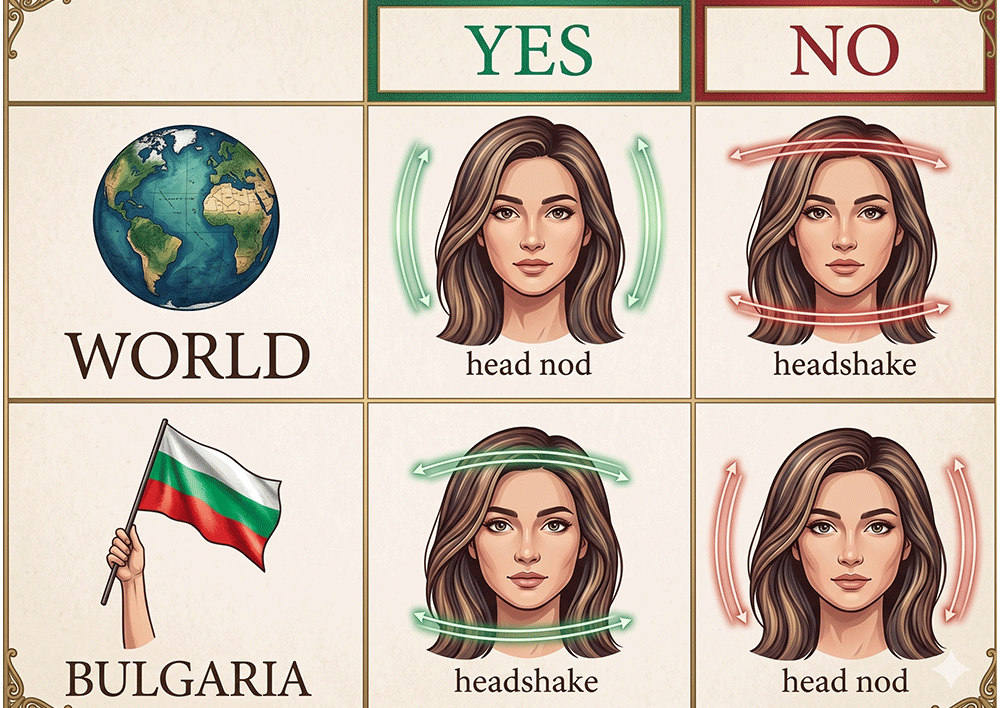
Unique Head Nodding
In Bulgaria, nodding the head means "no" and shaking the head means "yes." This reverse body language can be confusing for visitors but is a unique cultural trait.
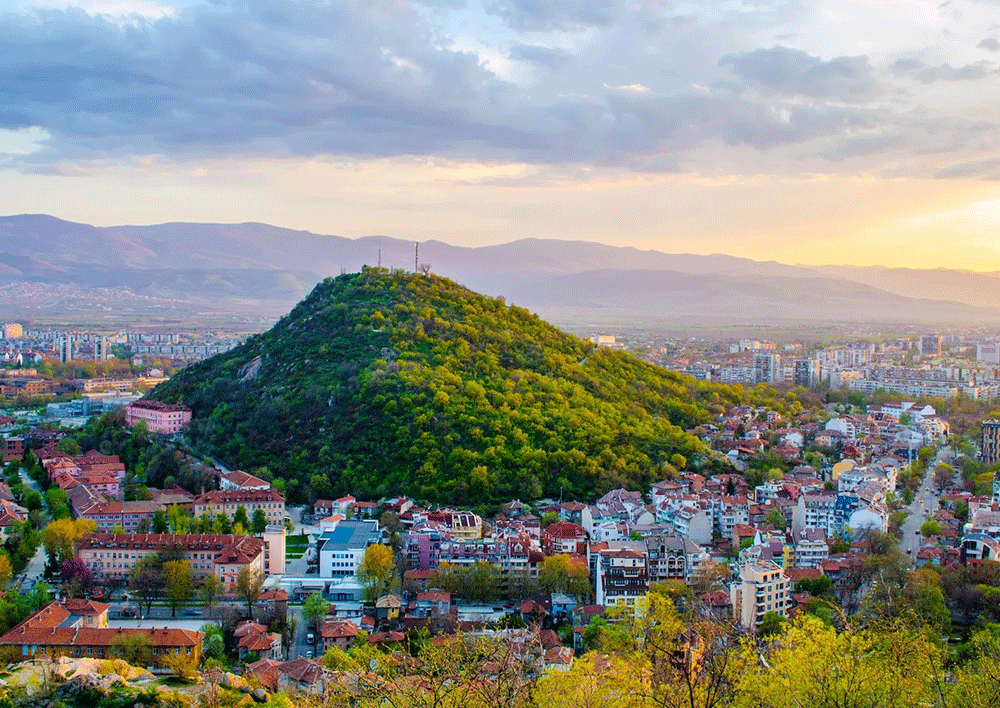
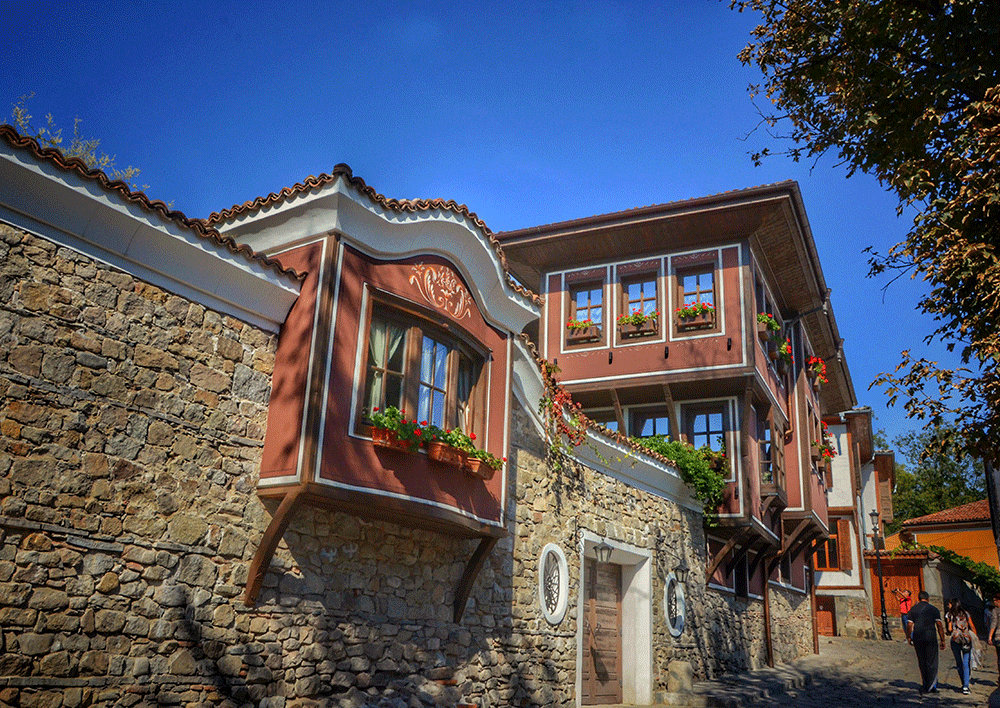
Home to Europe’s Oldest City - Plovdiv
Bulgaria's second-largest city, Plovdiv is considered one of the oldest continuously inhabited cities in Europe, with a history spanning over 6,000 years. One of the main attractions is the Ancient theater built during the time of the Roman emperor Marcus Ulpius Trajan (98 - 117 AD).
Land of Yogurt
Bulgaria is famous for its yogurt, made with a unique strain of bacteria called Lactobacillus bulgaricus, which gives it a distinctive sour taste and health benefits. The yogurt is a staple in Bulgarian cuisine and highly prized worldwide.
Peter Petroff - the inventor of the digital watch
Bulgarians Gave the World the Digital Watch: Bulgarian engineer Peter Petroff invented one of the first digital watches in 1970. His work laid the foundation for modern digital timekeeping.
Bulgaria never changed its name
Bulgaria is the only country in Europe that has never changed its name since it was first established in 681 AD. Despite its long and turbulent history, marked by invasions and wars, Bulgaria has maintained its original name through the centuries.
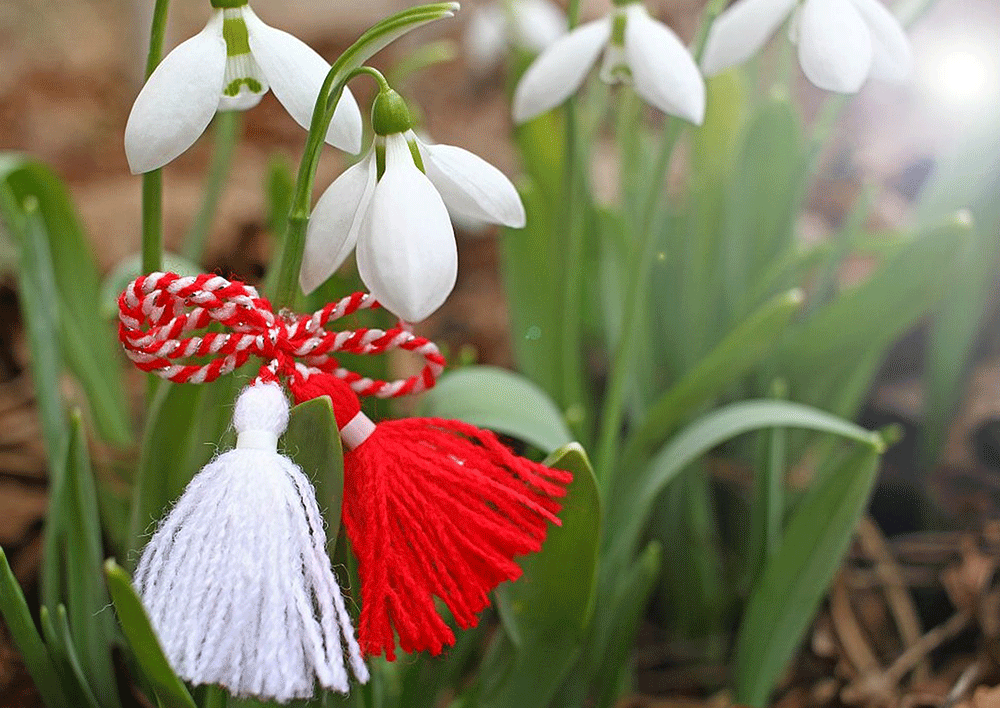
Baba Marta and the Martenitsa
Every year on 1st of March, Bulgarians celebrate Baba Marta (Grandmother Marta) by gifting each other red and white yarn bracelets called Martenitsa, symbolizing health and the coming of spring. People wear them until they see the first stork or blossomed tree. For the latter Bulgarians would tie the Martenitsa on one of the tree's branches.
Home of the Thracians
Bulgaria was part of the ancient Thracian civilization, which is famous for producing legendary warriors like Spartacus. Many Thracian tombs and treasures, including stunning gold artifacts, have been unearthed in Bulgaria. The most famous and well-preserved tomb is the Thracian Tomb of Kazanlak, dating back 4th century BC.
Name Days
In Bulgaria, Name Days (celebrations of saints for whom people are named) are just as important as birthdays. If you share a name with a saint (like Ivan, Petar, or George), expect a day of celebration, gifts, and good wishes from friends and family. Fun fact: according to the tradition, guests are supposed to come uninvited and the person who has the celebrated name is supposed to be prepared to treat everyone.
Izlel e Delyo Haydutin
The song "Izlel e Delyo Haydutin" was chosen to be included on the Voyager Golden Record, a collection of sounds and music from Earth sent into space aboard the Voyager spacecraft in 1977. The song, performed by Bulgarian folk singer Valya Balkanska, is a powerful representation of Bulgarian folk music and culture.What makes this especially cool is that the Voyager spacecraft is now over 14 billion miles away from Earth, meaning "Izlel e Delyo Haydutin" is traveling farther from our planet than anything else humans have ever created! If extraterrestrial civilizations come across it, this hauntingly beautiful folk song could be their first glimpse into Earth’s musical heritage.
Kalofer's Ice Dance
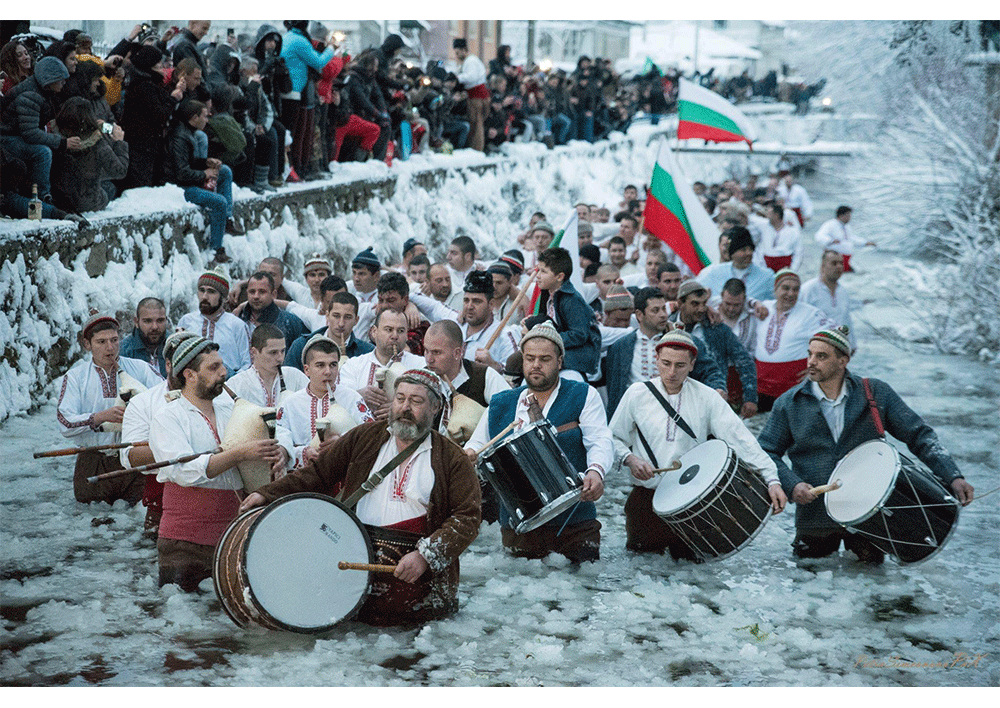
Kalofer’s Ice Dance is a traditional Bulgarian dance, characterized by men dancing horo in the ice-cold waters of the river Tundzha under the sounds of bagpipes and drums. This dance is often performed during festive occasions and celebrations, showcasing a vibrant expression of Bulgarian culture. It serves as a way to preserve Bulgarian heritage and foster community bonds. Performed on 6th of January - the Celebration of St. John the Baptist, this tradition is a demonstration of the strength and prowess of healthy and proud men united in a brotherly chain, caught for hands singing folk songs.
Sirni Zagovezni - The “Hamkane” Tradition
One of Bulgaria’s most playful traditions takes place during Sirni Zagovezni, when families gather to perform “hamkane.” A boiled egg or piece of halva is tied to a string and swung in front of participants, who try to catch it using only their mouths. This ritual symbolizes forgiveness, purification, and the preparation for Lent.
John Atanasoff - The First Computer Pioneer
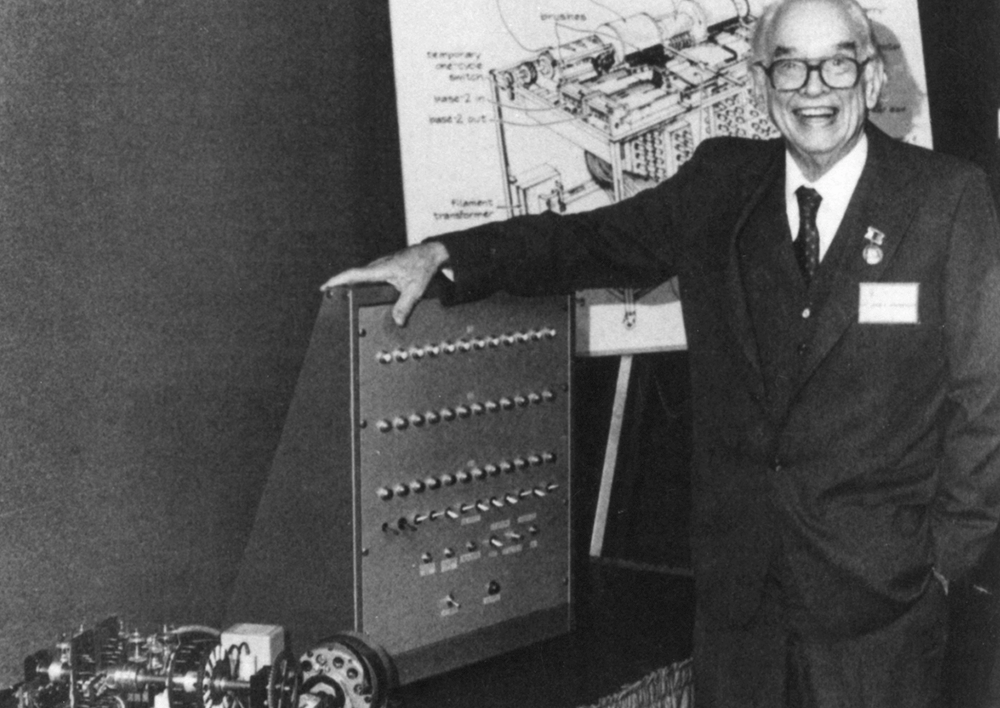
Bulgaria has a strong connection to the invention of the first electronic digital computer through John Vincent Atanasoff. In the 1930s, he developed the Atanasoff-Berry Computer, introducing key concepts such as binary arithmetic and electronic processing, which laid the foundation for modern computing.
Chiprovtsi Carpets - UNESCO-Protected Craftsmanship
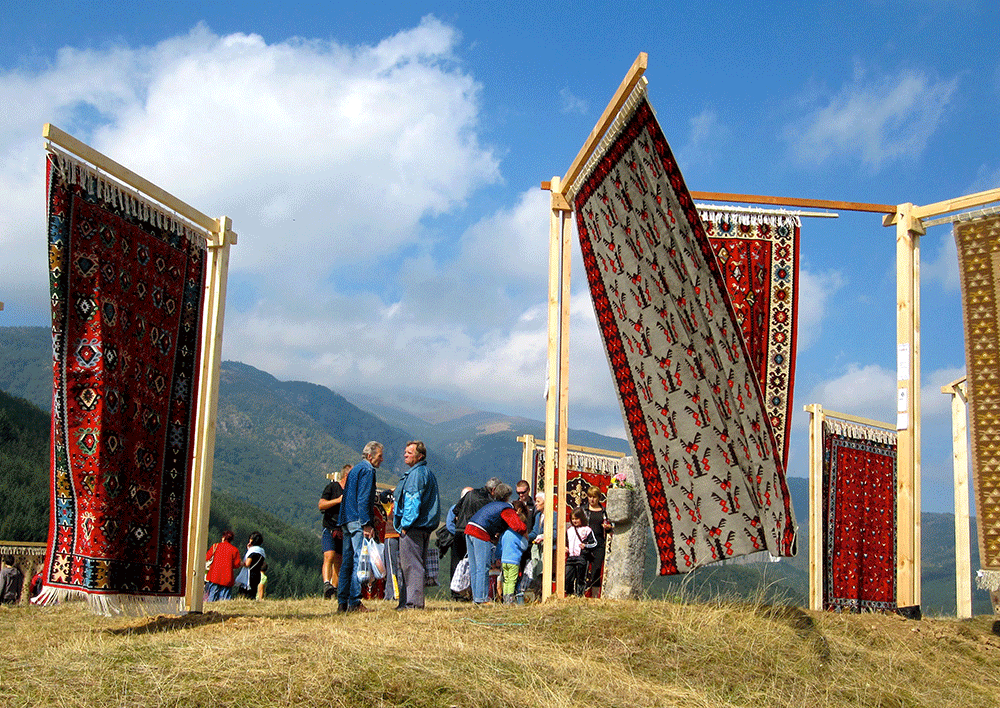
Under the patronage of UNESCO, several Bulgarian traditions have been recognized as part of the Intangible Cultural Heritage of Humanity. These include the Surva Festival, the mystical fire-dancing ritual of Nestinarstvo, and the intricate craftsmanship of Chiprovtsi carpets, all celebrated for preserving centuries-old cultural practices.
The Bagpipe - Bulgaria’s National Instrument
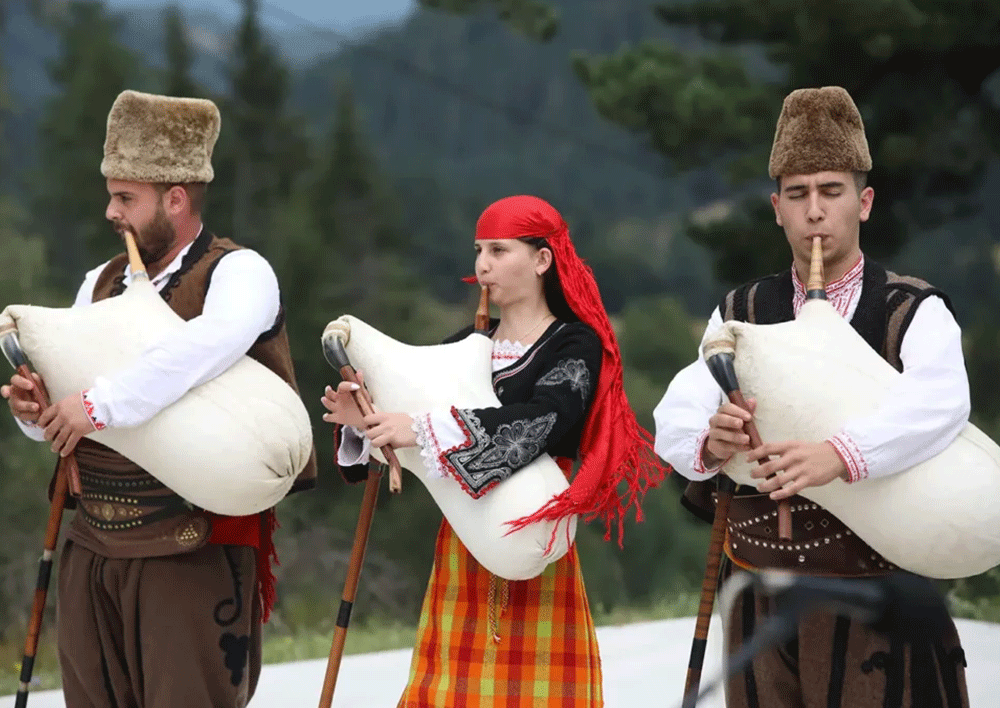
The Bulgarian bagpipe, known locally as the gaida, is considered the national musical instrument of Bulgaria. Its deep, distinctive sound has accompanied folk dances and celebrations for centuries, especially in the Rhodope Mountains, where it remains a symbol of Bulgarian identity.
Bulgarian Embroidery - Symbols Woven in Thread
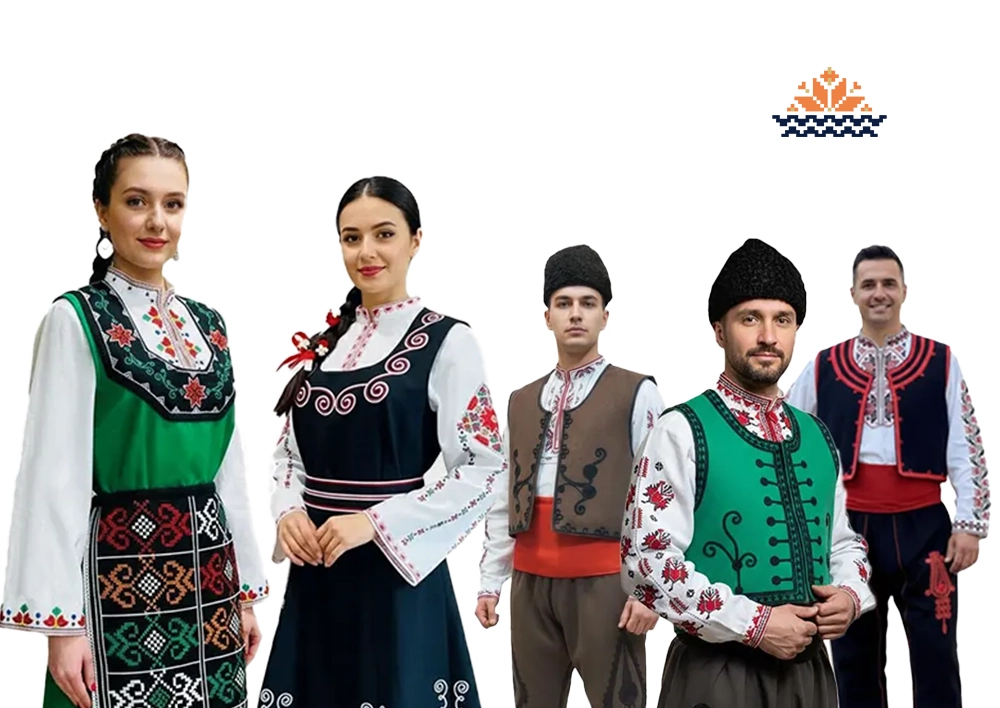
Traditional Bulgarian embroidery, known as shevitsa, is rich in symbolism and history. Each pattern and color carries meaning, often representing protection, fertility, or prosperity. Passed down through generations, these intricate designs are not only decorative but also serve as a cultural code reflecting regional identity and beliefs.